Doctor attending to a patient in a hospital room
IT Sectors5 Contactless Health Monitoring Platforms That Collect Data Noninvasively5 Contactless Health Monitoring Platforms That Collect Data Noninvasively
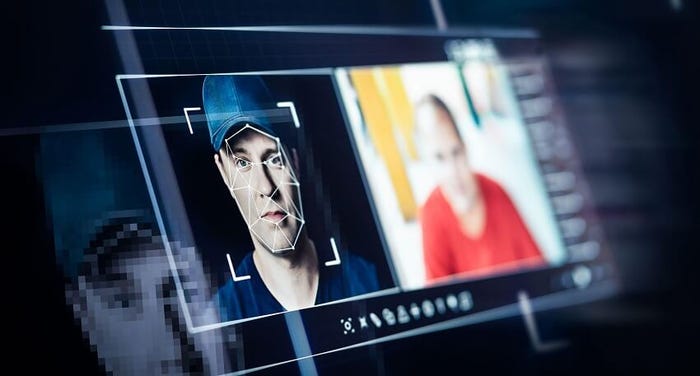
Contactless technology is a form of remote health monitoring that uses AI to analyze vital signs, facial expressions, facial blood flow, or vocal behavior to detect medical issues faster than a more invasive physical exam.














.jpg?width=300&auto=webp&quality=80&disable=upscale "Protective Barrier To AI Technology as safety protocols and safeguards for artificial intelligence to mitigate risks associated with computer")

























Editor's Choice






May 2, 2024
While there are plentiful options in cyber resiliency and business continuity tools and platforms, there isn’t one that can knock out everything from sudden cloud outages to prolonged ransomware attacks in a single punch. What can you do to keep the company on its feet no matter what is thrown at it? Find out in this new virtual event.
Reserve Your Seat NowNever Miss a Beat: Get a snapshot of the issues affecting the IT industry straight to your inbox.